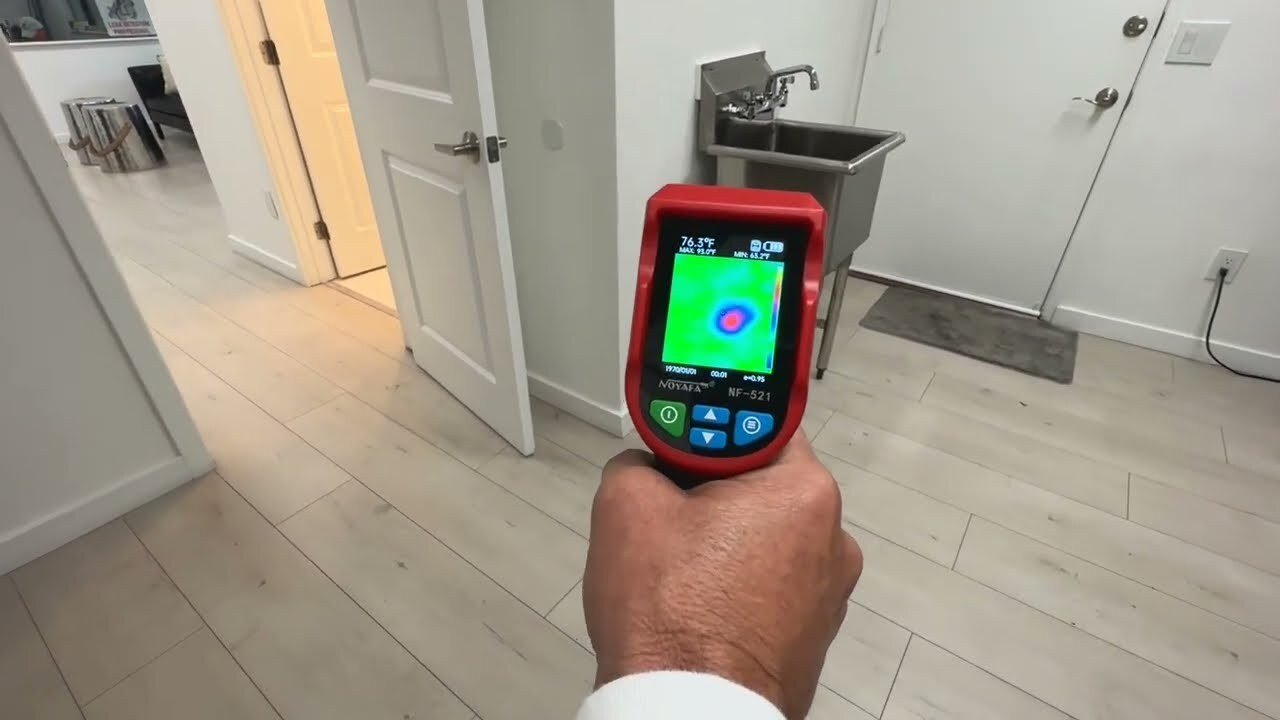
A hidden water leak can develop for weeks before anyone realises there is a problem. Unlike a burst pipe, it may not create an obvious pool of water. Instead, moisture can slowly spread behind walls, beneath flooring or around concealed pipework, gradually damaging materials along the way.
Professional Leak Detection in London can help locate the likely source when the symptoms are visible but the actual leak is not. Early investigation matters because the longer moisture remains unnoticed, the greater the chance of damage spreading beyond the original plumbing fault.
Hidden Leaks Rarely Stay Hidden Forever
Water usually leaves clues, even when the pipe itself cannot be seen.
The first signs may be small, such as a faint damp patch or slight change in flooring. Over time, the problem can become more noticeable as materials absorb moisture.
Ignoring these early warning signs often makes the eventual repair more disruptive.
The challenge is recognising that several minor symptoms may be connected to the same underlying issue.
What Are the Most Common Signs of a Hidden Leak?
Hidden leaks can appear in different ways depending on where the water is escaping.
Common warning signs include:
- Damp patches on walls or ceilings
- Peeling paint or wallpaper
- Swollen skirting boards
- Warped flooring
- Persistent musty smells
- Unexplained mould growth
- Water staining
- Sounds of dripping behind walls
- Unusual changes in water use
One sign alone does not always prove there is a leak, but recurring or worsening symptoms deserve investigation.
The Visible Damp Patch May Not Be the Source
Water does not always travel straight down from the damaged pipe.
It can follow joists, pipework, insulation and other surfaces before becoming visible. This means the damp patch on a ceiling may be some distance away from the actual fault.
Repairing only the visible area can therefore miss the source completely.
Leak investigation should focus on tracing where the water begins rather than assuming the nearest bathroom or pipe is responsible.
Bathrooms Are Common Places for Concealed Leaks
Bathrooms contain multiple water connections within a small area.
Shower fittings, bath wastes, toilet connections and hidden supply pipes can all develop faults. Failed seals may also allow water to pass behind tiles or beneath trays.
A leak may initially appear as staining in the room below rather than inside the bathroom itself.
Where moisture returns after surface resealing, the underlying plumbing should be checked rather than repeatedly covering the same area.
Kitchen Leaks Can Develop Behind Cabinets
Kitchen plumbing is often concealed beneath sinks, behind appliances and inside fitted units.
A small joint leak may remain unnoticed until cabinet bases swell or moisture reaches the floor. Washing machine and dishwasher connections can also develop problems over time.
Homeowners should occasionally inspect accessible pipework for dampness or staining.
A two-minute look beneath the sink is considerably easier than discovering the cupboard has quietly been operating as a miniature reservoir.
Rising Water Use Can Be an Important Clue
An unexplained increase in water consumption can sometimes indicate a leak.
If household habits have not changed but water use appears noticeably higher, plumbing should be considered as one possible cause. Toilets that continuously run can also waste water without creating visible external damage.
Checking fixtures and exposed pipework is a useful first step.
Where no obvious fault is found, further investigation may be needed to determine whether water is escaping from concealed plumbing.
Why Does Early Detection Matter?
Water damage becomes more expensive when it spreads into materials around the original leak.
Plasterboard can stain or weaken, timber can remain damp and flooring may swell or distort. Moisture can also encourage mould growth where ventilation is poor.
Finding the leak early can limit the area that needs repair.
This is why waiting for a small damp patch to become dramatic is rarely a good strategy.
Leak Detection Can Reduce Unnecessary Opening Up
When the source of a leak is unclear, randomly removing flooring or sections of wall can create avoidable disruption.
Professional investigation aims to narrow down the likely location before more invasive access is considered. The exact approach depends on the property, symptoms and plumbing layout.
No single technique is suitable for every situation.
The objective is to gather enough evidence to target the repair area more accurately.
Check the Plumbing Before Repairing Decoration
Water stains are often treated as a decorating problem first.
Repainting a ceiling or replacing damaged flooring before the leak is fixed may provide a short-lived improvement, but the moisture will eventually return.
The correct sequence is diagnosis, plumbing repair, drying and then restoration.
Affected materials may need time to dry properly before decorating begins.
Patience at this stage can prevent the same room from needing repair twice.
Small Leaks Can Become Structural Problems
Most hidden leaks begin as plumbing issues, but prolonged moisture can affect parts of the building around them.
Timber, plaster and floor structures can deteriorate if they remain wet for extended periods. The level of damage depends on how much water is escaping and how long the fault has been present.
This is why recurring staining or unexplained damp should not be treated as purely cosmetic.
The plumbing cause needs to be ruled out first.
When Is Professional Leak Investigation Worth Arranging?
Professional Leak Detection in Richmond can be useful when moisture is appearing repeatedly, water use has changed unexpectedly or the suspected pipework is concealed.
It is also worth considering when the visible damage does not clearly identify the source.
A targeted investigation can help reduce unnecessary disturbance and provide a clearer basis for repair.
The earlier the problem is located, the easier it is to protect surrounding finishes and materials.
Finding the Leak Is the First Step Towards Fixing the Damage
Hidden water problems are easiest to manage when symptoms are taken seriously before they spread.
MJ Plumber and Heating LTD. supports homeowners who need help identifying plumbing faults and repairing leaks that may be affecting concealed areas of the property.
By responding to damp, unusual water use and recurring moisture early, homeowners can reduce unnecessary damage and move from guessing about the source to dealing with the actual problem.